BLOG
DETAILS
The summer of the Black Truffle Tuber Melanosporum
When we think of the black truffle Tuber melanosporum, it is easy to imagine the winter months, truffle dogs roaming the countryside, and truffles freshly unearthed from the soil. However, a good black truffle season begins much earlier. In fact, summer is one of the most important stages in the cultivation of black truffles in Spain.
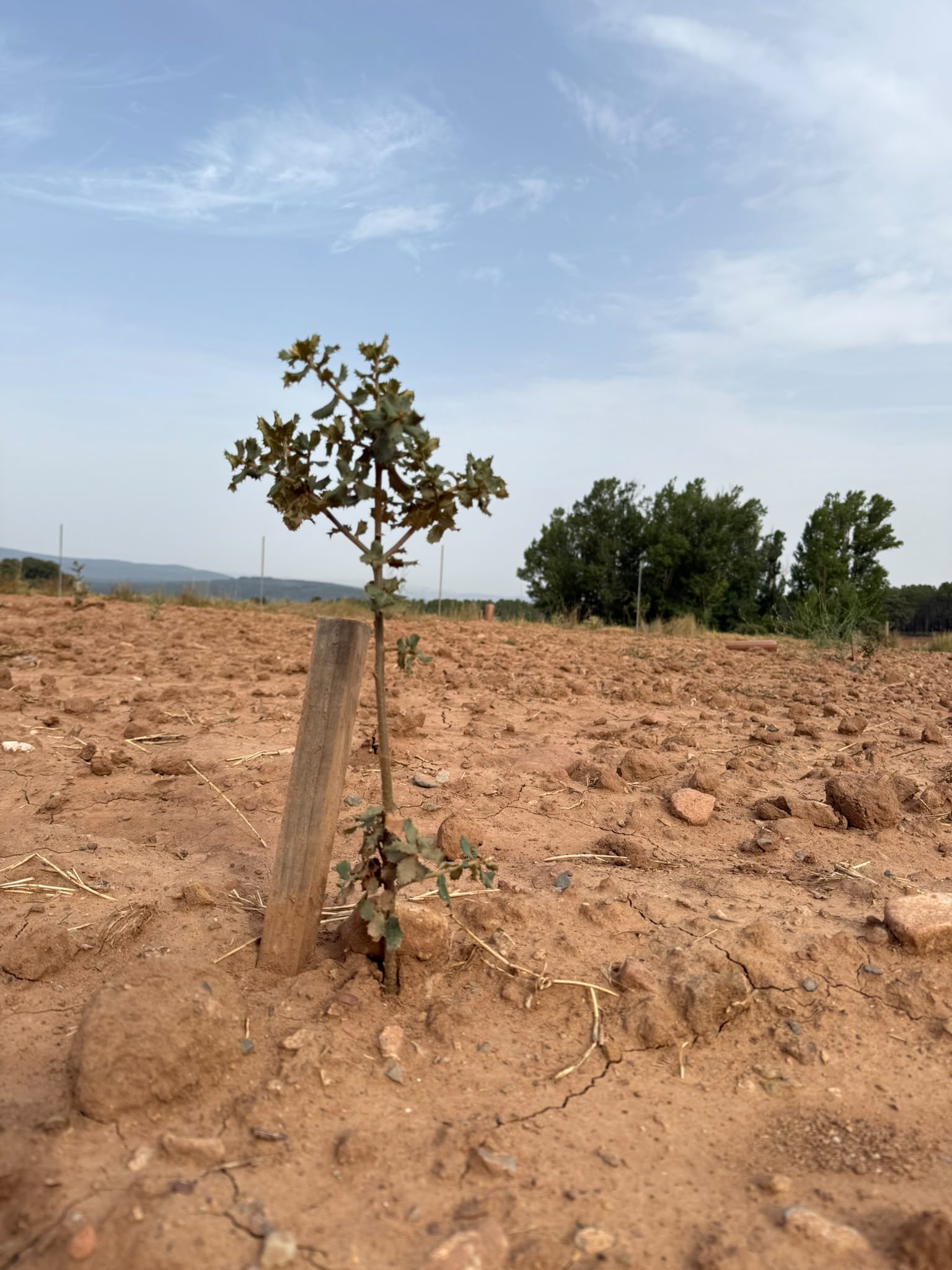
During these months, we do not see truffles on the surface, but an essential process continues underground. The fungus develops its structures, the roots of mycorrhizal holm oaks maintain their relationship with the fungus, and the soil must retain suitable moisture and temperature conditions to support future production.
Therefore, if we want to understand why Spanish black truffles are so highly valued and why Spain has become one of the world’s leading producers and exporters of Tuber melanosporum, we must also pay attention to summer.
Tuber Melanosporum Black Truffle
During the summer, a particularly delicate stage begins. After the fungus’s initial flowering and fruiting, the future fruiting bodies begin to develop underground. Water plays a particularly important role here. In Mediterranean truffle-growing areas, summers can be long, dry, and characterized by high temperatures. Therefore, maintaining an adequate balance of soil moisture is one of the major challenges facing truffle cultivation today.
In fact, in Spain, a large proportion of truffle plantations are located in areas with Mediterranean and continental climates, as is the case with Xporum, where periods of summer drought can be intense.
Truffle cultivation therefore requires observing the land throughout the entire year. The work does not end when the season is over. On the contrary: when we stop finding truffles in winter, the silent work that will prepare the next season begins.
Likewise, during the summer, mycorrhization remains active underground. While the holm oak develops through its vegetative cycle, the fungus remains associated with its roots and participates in a complex ecosystem that, months later, will ultimately give rise to the truffles we can harvest.
Care throughout the rest of the year and the Mediterranean terrain contribute to Spain’s consolidation as one of the world’s leading producers of Tuber melanosporum black truffles and as a key player in their international export.

