BLOG
DETAILS
When the black truffle season ends, the unseen work begins
When we think about black truffles, we usually imagine the harvesting season: the dog searching beneath the soil, the excitement of finding each piece, and the intense aroma of a freshly unearthed truffle. However, much of a truffle’s quality is not determined during the harvest season itself, but throughout all the months before and after - the part of the process that is rarely seen.
Because when the season ends, one of the most important phases of the year actually begins. At Xporum, we understand black truffles as a living, delicate, and constantly evolving crop. That is why, once harvesting is over, a silent but essential process begins: analyzing, correcting, improving, and preparing the land for the next cycle.
Each season leaves behind valuable information. Weather conditions, soil moisture, tree behavior, and the aromatic quality of the truffles are all part of the in-depth analysis we carry out after every campaign. This study allows us to understand how each plot has responded and what decisions need to be made to optimize future performance and quality. Truffle cultivation requires patience, observation, and adaptability. No two seasons are ever the same.
Likewise, once the season is over, the work of preparing the land also begins. Soil is one of the most important factors in the development of Mediterranean black truffles, and maintaining its natural balance requires constant attention. At Xporum, we work to preserve optimal conditions in every plantation, supporting ecosystem health and respecting the natural cycles of the land. This involves monitoring soil conditions, controlling vegetation, improving specific areas, and continuing to strengthen the environment where the mycorrhized roots develop.
New plantations
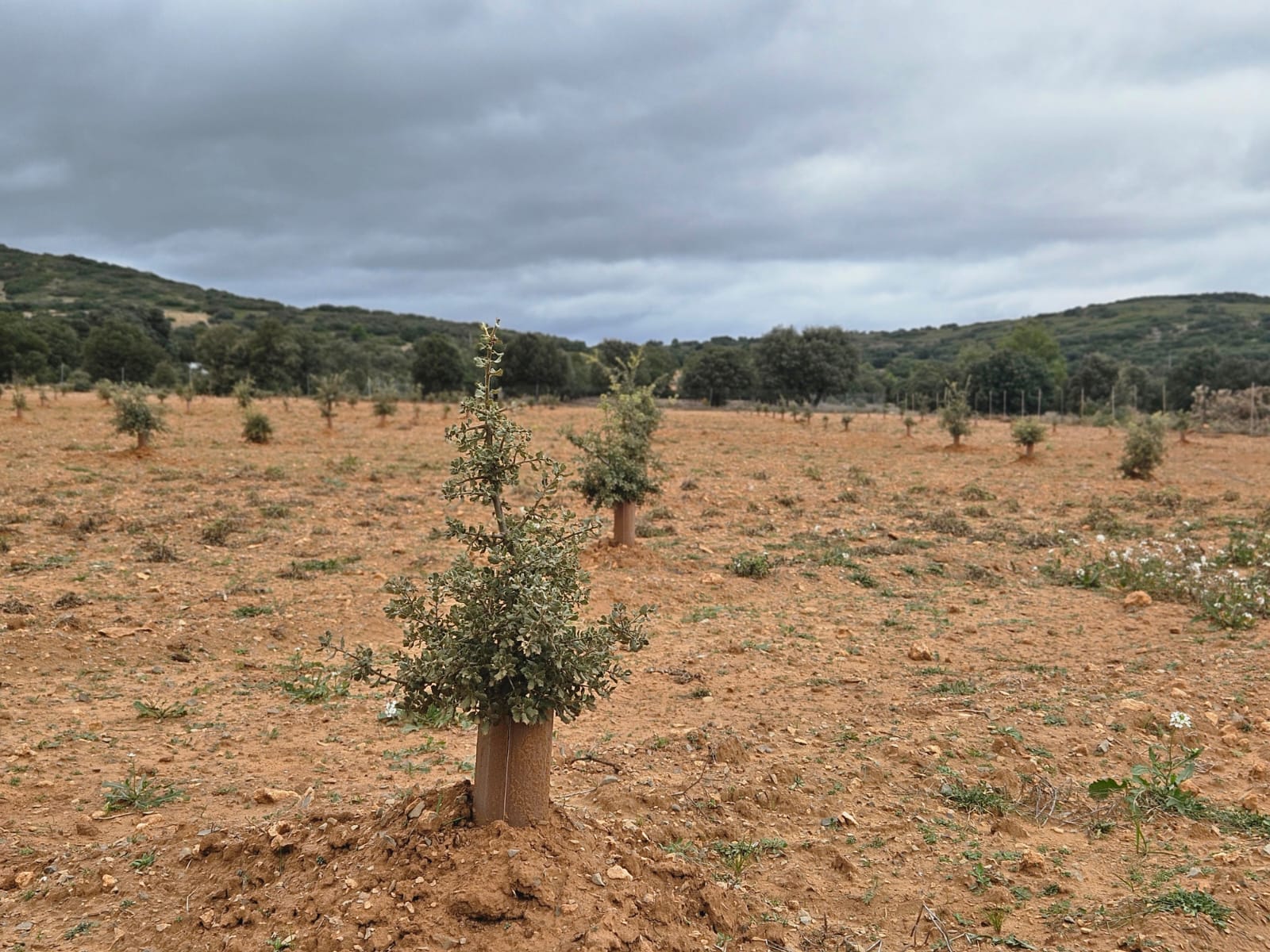
After each season, part of the effort is focused on expanding and renewing plantations, carefully selecting the most suitable areas and ensuring that every tree has the best possible conditions to develop properly.
This work requires planning, experience, and a sustainable vision of cultivation. In truffle farming, thinking about the future is just as important as caring for the present.
When a truffle reaches the customer, there is much more behind it than simply a good harvest. There are months of monitoring, technical decisions, and a constant commitment to excellence. Quality control does not begin when selecting the harvested truffles. It starts much earlier: in the soil, in the care of the trees, in water management, and in every detail that influences the development of the product.
It is this dedication that allows us to offer, year after year, a Mediterranean black truffle with its own identity, intense aroma, and consistent quality.

