博客
详情

What does the black truffle need to grow up?
Black truffle (Tuber melanosporum) is one of the world's most exclusive culinary delicacies. Its aroma, complexity, and rarity are the result of an extraordinarily precise combination of natural factors. Unlike many other crops, however, black truffles cannot be cultivated simply by planting a tree and waiting for results. They require years of patience and an environment that is almost perfectly balanced.
But what does a black truffle really need to grow? And why are only a handful of regions around the world capable of producing specimens of exceptional quality?
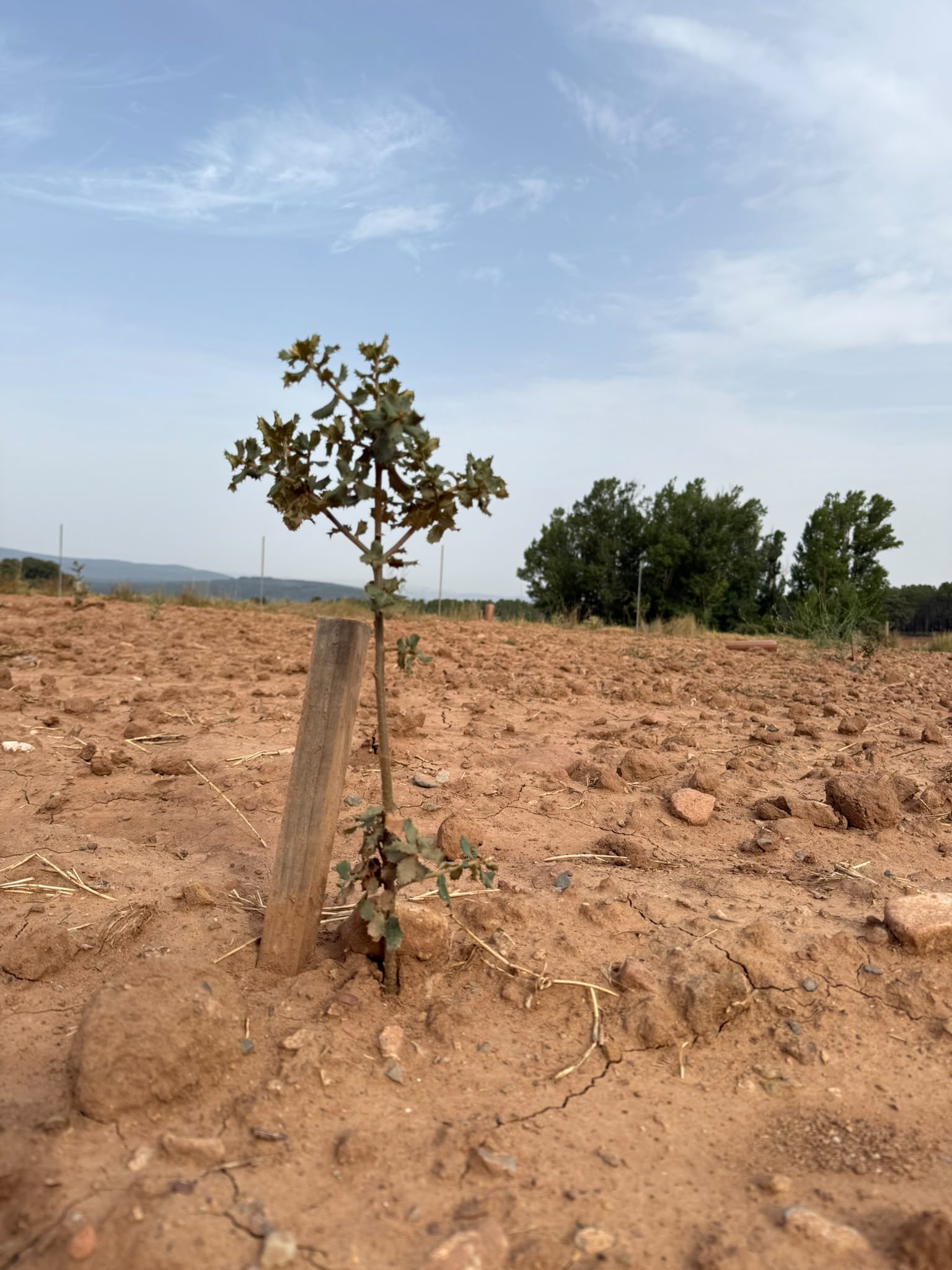
The black truffle (Tuber melanosporum) is an underground fungus that lives in symbiosis with the roots of certain tree species, mainly holm oaks, oaks, and hazelnut trees. This relationship, known as mycorrhiza, benefits both organisms. The tree supplies the fungus with the sugars it produces through photosynthesis, while the truffle enhances the tree's ability to absorb water and nutrients from the soil. In other words, without a healthy, properly mycorrhized host tree, there can be no truffle production.
Equally important, not every type of soil is suitable for cultivating black truffles. Tuber melanosporum requires highly specific conditions: calcareous soils with a high calcium carbonate content, excellent drainage to prevent waterlogging, good aeration and soil structure, an alkaline pH, and low levels of organic matter to reduce competition from other fungi.
Climate is another essential factor. Black truffles require a very specific seasonal balance. During winter, they need sufficiently cold temperatures to complete their biological cycle. In spring, the first truffle primordia begin to develop, while summer rainfall -or carefully managed irrigation- is essential to ensure these future fruiting bodies continue to grow. Mild autumns encourage proper maturation, allowing the truffles to develop their full aromatic potential before harvest. Excessive heat, prolonged drought, or heavy rainfall can significantly affect both yield and final quality.
When all these requirements come together -calcareous soils, a continental climate, suitable altitude, a long-standing truffle-growing tradition, and generations of accumulated expertise- the number of suitable regions becomes remarkably limited.
This is precisely where Spain stands out as one of the world's leading producers of Tuber melanosporum. Its main truffle-producing areas, including our own Mediterranean region, offer exceptional natural conditions that consistently produce black truffles renowned worldwide for their aroma, intensity, and outstanding culinary quality.
A useful comparison can be made with football. Every country can field a national team, but only a select few combine the talent, tradition, youth development, and conditions needed to compete at the very highest level and win a World Cup.
The same is true of black truffles. Many places can try to cultivate them. Very few can produce truly outstanding Tuber melanosporum. And when nature chooses the ideal place for one of the world's finest gastronomic treasures to flourish, Spain is playing on home soil.